



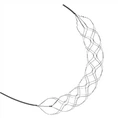

Thrombectomy aspiration catheter is a medical device that has revolutionized the treatment of ischemic stroke. This catheter is used to remove a blood clot from a patient's brain by suctioning it out through a small hollow tube. The use of thrombectomy aspiration catheter has been shown to significantly improve treatment outcomes for patients with ischemic stroke.
Ischemic stroke occurs when a blood vessel in the brain is blocked by a blood clot. This leads to a lack of oxygen and nutrients to the affected areas of the brain, causing cell death and impaired neurological function. Traditionally, the treatment for ischemic stroke has involved the use of intravenous thrombolysis, which involves the administration of a medication to dissolve the blood clot. However, this treatment is only effective for a limited period of time after the onset of stroke symptoms.
Thrombectomy aspiration catheter is a more advanced and effective treatment option for ischemic stroke. This catheter can be inserted into the blocked blood vessel in the brain, allowing the physician to directly remove the clot. The procedure is minimally invasive and has a higher success rate than intravenous thrombolysis alone. Patients who receive treatment with thrombectomy aspiration catheter have better outcomes, including improved neurological function and reduced risk of disability.
Thrombectomy aspiration catheter is also beneficial for patients who are not eligible for intravenous thrombolysis. This includes patients who have a contraindication to the medication, or who present to the hospital outside of the treatment window for intravenous thrombolysis. Thrombectomy aspiration catheter has been shown to be effective in these patients, offering a new treatment option for those who would have previously received only supportive care.
In conclusion, thrombectomy aspiration catheter is a medical innovation that has greatly improved the treatment of ischemic stroke. This catheter offers a minimally invasive and effective treatment option for patients who may not have had access to such advanced care in the past. As medical research continues, we can expect to see further advancements in the treatment of ischemic stroke, ultimately improving the lives of patients who suffer from this debilitating condition.