




Stroke is one of the leading causes of death and disability worldwide. It occurs when the blood flow to the brain is disrupted, leading to brain damage or death of brain cells. Timely intervention is critical in the management of stroke, as it can limit the extent of brain damage and improve the patient's prognosis. Advances in stroke treatment, including stent retriever thrombectomy and balloon guide catheter have revolutionized the management of acute stroke.
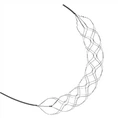
Stent retriever thrombectomy is a minimally invasive procedure used to remove blood clots from blocked arteries in the brain. The procedure involves inserting a stent retriever device through an artery in the groin, and guiding it to the affected site in the brain. The device is then deployed to capture the clot, which is then removed by withdrawing the device. Stent retriever thrombectomy has been shown to significantly improve outcomes in patients with large vessel occlusion strokes. It has a high rate of success in removing clots, and it is associated with reduced disability and improved functional outcomes.
Balloon guide catheter is another advancement in stroke treatment that has dramatically improved outcomes in patients with acute stroke. The catheter is a small, flexible tube that is inserted through an artery in the groin and threaded up to the site of the clot in the brain. Once in place, a balloon at the tip of the catheter is inflated, creating a suction effect that helps to capture the clot. The catheter and the clot are then removed from the brain, improving blood flow to the affected area. Balloon guide catheter has been shown to improve the success rate of stent retriever thrombectomy, by providing a better channel for the delivery and retrieval of the device. It also improves the overall safety of the procedure, by reducing the risk of dislodging the clot during retrieval.
Both stent retriever thrombectomy and balloon guide catheter have revolutionized the management of acute stroke, providing effective and minimally invasive options for the removal of blood clots from blocked arteries in the brain. These advancements have significantly improved outcomes in patients with acute stroke, reducing disability, improving functional outcomes, and increasing the chances of survival. They have also expanded the treatment window for acute stroke allowing for more patients to benefit from these life-saving interventions.
In conclusion, stent retriever thrombectomy and balloon guide catheter are two advancements in stroke treatment that have transformed the management of acute stroke. They have revolutionized the way we treat acute stroke, providing effective and minimally invasive options for removing blood clots from blocked arteries in the brain. These advancements have significantly improved outcomes in patients with acute stroke, reducing disability, improving functional outcomes, and increasing the chances of survival. The future of stroke treatment looks bright, with ongoing advancements in technology and treatment options, aimed at improving outcomes and saving lives.