



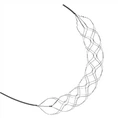
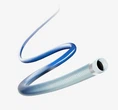
Neurovascular micro catheters are devices used for minimally invasive procedures in the diagnosis and treatment of various neurological conditions such as aneurysms, arteriovenous malformations, and stroke. These catheters are designed to navigate through complex networks of blood vessels and deliver therapeutic agents or diagnostic tools to targeted sites in the brain and spinal cord.
Designing effective neurovascular microcatheters is essential for improving patient outcomes and reducing complications associated with these procedures. This article highlights the key considerations for designing neurovascular microcatheters and explores the latest advancements in this field.
Design Considerations
1. Size and Flexibility
Neurovascular micro catheters are typically smaller in size compared to other catheters used for cardiovascular or peripheral procedures. The diameter of these catheters ranges from 0.5 to 2.0 mm, depending on the application and vessel size. The smaller size of the catheter reduces the risk of vessel damage and minimizes the patient's discomfort during the procedure.
Flexibility is another crucial factor in designing neurovascular microcatheters as they need to navigate through complex vascular networks in the brain and spinal cord. The catheter's tip should be flexible enough to maneuver around tight curves and tortuous vessels while maintaining its shape and tracking accuracy.
2. Material and Coating
The choice of material for neurovascular microcatheters depends on the application and requirements of the procedure. Most catheters are made of biocompatible materials like polyurethane, silicone, and polyethylene. These materials have excellent biocompatibility and low thrombogenicity, reducing the risk of blood clot formation inside the catheter.
Coating the catheter with hydrophilic or hydrophobic materials can also improve its handling and navigation properties. Hydrophilic coatings reduce friction and resistance during catheter insertion, while hydrophobic coatings improve the catheter's tracking accuracy and steerability in complex anatomies.
3. Tip and Shape
The tip and shape of neurovascular microcatheters play a crucial role in their performance and effectiveness. The tip should be atraumatic and smooth to prevent damage to vessels and reduce the risk of vessel perforation or dissection. The tip may also be shaped differently based on the application, such as a bullet shape for aneurysm embolization or a hook shape for clot retrieval in stroke patients.
The overall shape of the catheter also influences its ability to navigate through complex vascular networks. Some catheters have a pre-shaped distal end, such as a 45-degree angle, to aid in accessing specific areas in the brain or spinal cord. Catheters may also have multiple curves or bends to maintain its tracking accuracy and reduce resistance while navigating through tortuous vessels.
4. Visual Guidance
Visual guidance is essential for neurovascular microcatheters to ensure their accurate placement in the target vessel. Real-time imaging modalities such as fluoroscopy or angiography help guide the catheter's placement and visualize the delivery of therapeutic agents or diagnostic tools.
Some catheters have a radiopaque marker or an image-enhancing coating near the tip to improve their visibility on fluoroscopy or angiography. Recent advancements in imaging technology have also led to the development of catheters with integrated micro-optics or sensors, allowing real-time visualization of the catheter's position and tracking accuracy.
Designing effective neurovascular microcatheters requires careful consideration of various factors such as size and flexibility, material and coating, tip and shape, and visual guidance. The latest advancements in this field have led to the development of catheters with improved properties and performance, leading to better patient outcomes and reduced complications.
As the demand for minimally invasive procedures in neurovascular interventions continues to rise, the importance of designing effective neurovascular microcatheters cannot be overstated. The ongoing advancements in this field will undoubtedly lead to further improvements in the diagnosis and treatment of various neurological conditions.