



Neurovascular diseases can be life-threatening and can cause permanent damage to the brain or spinal cord. Microcatheters are increasingly being used to treat these diseases as they offer a minimally invasive approach. Microcatheters are particularly useful in navigating the narrow and winding pathways of the neurovascular system. In this overview, we will discuss the design features that make neurovascular microcatheters effective in treating neurovascular diseases.
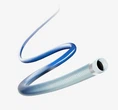
One of the key features of neurovascular micro catheters is their small diameter. These catheters are typically only a few millimeters in diameter, which makes them ideal for reaching small blood vessels in the brain or spinal cord. The small size of these catheters also allows them to navigate through tight spaces without causing damage to surrounding tissues.
Another important design feature of neurovascular microcatheters is their flexibility. These catheters are designed to be highly maneuverable, which allows physicians to guide them through complex neurovascular pathways with ease. This flexibility also helps to minimize trauma to surrounding tissues, which is especially important in delicate neurovascular procedures.
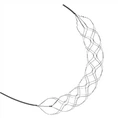
Neurovascular microcatheters also feature advanced materials that make them strong and durable. Many of these catheters are made from materials such as nitinol, which has excellent shape memory and can withstand the stresses of navigating through tight, winding pathways. Other materials used in neurovascular microcatheters include polytetrafluoroethylene (PTFE) and nylon, which are both highly biocompatible and can prevent unwanted reactions in the body.
In addition to their physical design features, neurovascular micro catheters also incorporate advanced technologies that make them highly effective in treating neurovascular diseases. These technologies include microelectromechanical systems (MEMS) and microfluidics. MEMS technology allows for the creation of micro-scale sensors and actuators that can be integrated into the catheter tip. This technology allows physicians to monitor blood flow and pressure in real-time, which can be critical in determining the success of a neurovascular procedure.
Microfluidic technology can also be integrated into neurovascular microcatheters to deliver therapeutic agents directly to the site of the disease. These microfluidic channels can be used to deliver drugs, nanoparticles, or other therapies directly to the diseased tissue. This localized delivery can increase the effectiveness of therapies while minimizing side effects.
Finally, neurovascular microcatheters feature advanced imaging technologies that allow physicians to visualize the neurovascular system in real-time. These imaging technologies include magnetic resonance imaging (MRI) and computed tomography (CT). Using these imaging technologies, physicians can create detailed maps of the neurovascular system and guide the microcatheter to the site of the disease with precision.
In conclusion, neurovascular microcatheters are an important tool in the treatment of neurovascular diseases. Their small size, flexibility, advanced materials, and technologies make these catheters highly effective in treating complex neurovascular conditions. By incorporating advanced imaging and therapeutic technologies, neurovascular microcatheters offer physicians precise control in the treatment of neurovascular diseases. As research into new materials and technologies continues, these catheters will become even more effective in treating a wider range of neurovascular conditions.