



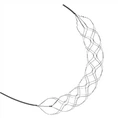
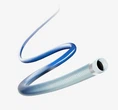
Neurovascular micro catheters are small and flexible devices used in interventional neuroradiology procedures to access blood vessels in the brain for diagnostic or therapeutic purposes. These catheters are specially designed with advanced materials and technologies to ensure accuracy, safety and ease of use during procedures. In this article, we will provide an overview of the design features of neurovascular micro catheters.
Design Features
1. Material Selection
The materials used in neurovascular micro catheters are critical to their performance and safety. Generally, these catheters are made with polymers such as polyurethane, nylon, or Pebax, which have high strength and flexibility. The polymer must also be biocompatible to prevent adverse reactions within the patient's body. Additionally, the catheter tip may be coated with a lubricant to reduce friction and improve maneuverability.
2. Catheter Diameter
Neurovascular micro catheters have small diameters that allow them to access narrow and tortuous blood vessels without causing damage. The diameter of the catheter is usually expressed in French units (1 French unit equals 0.33 mm), and the most commonly used diameters range from 1 to 1.5 French units.
3. Tip Shape
The shape of the catheter tip is another crucial design feature that determines its functionality and ease of use. Catheter tips can be angled, tapered, or have a straight configuration, depending on the intended use. The angled tip is the most common design, as it allows access to the remote location of the blood vessels. The tapered tip is used to advance the catheter in the artery without causing injury, while the straight tip is useful for accessing the blood vessels near the skin's surface.
4. Radiopaque Markers
Radiopaque markers are used to visualize the position of the catheter during the procedure. These markers are usually made of platinum or tungsten and are inserted into the catheter wall. The catheter's radiopacity allows the physician to view its location under X-ray fluoroscopy, which is essential for guiding the catheter to the targeted location accurately.
5. Hydrophilic Coating
Neurovascular micro catheters may be coated with a hydrophilic material that becomes slippery when wet. The hydrophilic coating reduces surface friction and helps the catheter pass through the tortuous arteries with ease. This coating also reduces the risk of vascular injury and patient discomfort.
6. Shape Memory Alloy
Shape-memory alloys such as nitinol are used in neurovascular micro catheters to provide stiffness for placement and flexibility during use. The alloy's ability to change shape based on temperature enables the catheter to reach remote locations of the cerebral vasculature without causing injury. The nitinol alloy also allows the catheter to resume its pre-molded shape after use, preventing kinking and entrapment within the blood vessel.
7. Marker Bands
Marker bands are used to indicate the position of the catheter when the radiopaque markers are not visible under the X-ray fluoroscopy. These bands are usually made of platinum or gold and placed on the catheter shaft at specific intervals. The physician can determine the catheter's position by the number of bands visible during the procedure.
Neurovascular micro catheters are essential devices that allow access to the cerebral vasculature during interventional neuroradiology procedures. The catheter's design features determine its performance, accuracy and ensure patient safety. The catheter materials, diameter, tip shape, radiopaque markers, hydrophilic coating, shape memory alloys, and marker bands all work together to make the catheter accurate, flexible, and easy to use. Advances in microcatheter design and technology make it possible for physicians to perform complex neurointerventions with fewer complications and better outcomes.