



Arteriovenous malformations (AVMs) are abnormal tangles of blood vessels that disrupt normal blood flow. These malformations can lead to a range of neurological symptoms, such as headaches, seizures, and weakness, and can even cause life-threatening hemorrhages.
To treat AVMs, doctors typically use a technique called embolization, which involves injecting material into the abnormal blood vessels to block blood flow. One of the latest advancements in this approach is the use of microcatheters.
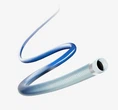
Microcatheters are tiny, flexible tubes that can navigate through the tortuous and narrow vessels in the brain to deliver embolic agents precisely at the target site. With the help of a guiding wire and imaging technology, doctors can carefully thread the microcatheter into the AVM and inject tiny particles or liquid embolic materials to seal off the abnormal blood vessels.
Several advantages make microcatheter embolization an attractive option for treating AVMs. Compared to traditional embolization methods, it can achieve a higher degree of precision and control, which means less risk of damaging healthy tissue and blood vessels. Microcatheters also allow doctors to reach deeper and more complex AVMs that would otherwise be difficult or impossible to treat with traditional embolization. Furthermore, this technique can be used as a standalone treatment or in combination with other therapies, such as surgery or radiosurgery, to increase the chances of complete AVM obliteration and improve patient outcomes.
While microcatheter embolization is not without risks, such as bleeding or stroke, it has shown promising results in clinical studies and is becoming increasingly adopted by medical centers around the world. Patients who undergo this procedure can benefit from reduced hospital stays, faster recovery times, and improved quality of life.
In summary, microcatheters for AVM embolization represent a cutting-edge treatment that offers hope to patients with complex neurological conditions. With ongoing research and innovation, this technique may continue to advance and improve outcomes for patients in the future.