



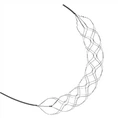

Mechanical thrombectomy using a stent retriever in the treatment of acute ischemic stroke has revolutionized stroke care in recent years. This minimally invasive procedure has provided stroke patients with a new lease on life, offering better outcomes and improved clinical outcomes compared to traditional treatments.
Acute ischemic stroke is caused by the occlusion of a blood vessel in the brain, leading to the death of brain cells and serious neurological deficits. Time is of the essence in treating acute ischemic stroke, as the longer a patient goes untreated, the greater the risk of permanent damage and disability.
Historically, the primary treatment for acute ischemic stroke has been the administration of intravenous tissue plasminogen activator (tPA), a clot-busting medication. While tPA has been shown to improve outcomes in stroke patients, it is only effective in the first few hours following symptom onset and is contraindicated in certain cases, such as in patients with bleeding disorders.
In recent years, the development of mechanical thrombectomy devices has greatly expanded the treatment options for acute ischemic stroke patients. These devices work by physically removing the clots that are blocking blood flow in the brain, restoring blood flow and preventing further damage.
One of the most widely used mechanical thrombectomy devices is stent retriever, a device that uses a metal mesh stent to capture and remove the clot. The stent retrieval has been shown to be highly effective in restoring blood flow in acute ischemic stroke patients, achieving a high rate of successful recanalization and improving clinical outcomes.
Studies have shown that mechanical thrombectomy using a stent retriever can significantly improve outcomes in acute ischemic stroke patients. One study found that patients who underwent mechanical thrombectomy with a stent retriever had a higher rate of functional independence at 90 days compared to those who received standard treatment with tPA alone.
Another study found that mechanical thrombectomy with a stent retrieval was associated with a significantly lower mortality rate and a higher rate of good clinical outcomes compared to standard treatment with tPA alone. These findings highlight the important role that mechanical thrombectomy devices like the Solitaire stent retriever play in the treatment of acute ischemic stroke.
Mechanical thrombectomy using a stent retriever is a minimally invasive procedure that can be performed rapidly, often within the first few hours following symptom onset. This enables a greater number of stroke patients to receive treatment and increases the likelihood of a successful outcome.
In addition, mechanical thrombectomy using a stent retriever is associated with a low rate of complications and has been shown to be safe and effective in a wide range of patients, including elderly and high-risk patients.
Overall, mechanical thrombectomy using a stent retriever has been a game-changer in the treatment of acute ischemic stroke. This effective, minimally invasive procedure has improved outcomes for stroke patients and has given hope to those who may not have had access to effective treatments in the past. As the technology continues to evolve and improve, the future looks bright for stroke patients around the world.