



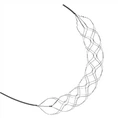
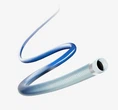
Stroke is a serious medical condition that can cause a wide range of disabilities and health problems. The good news is that there are effective treatments available for stroke, including intracranial thrombosis aspiration catheter for recanalization in acute ischemic stroke therapy. This technique involves the use of a catheter to remove blood clots from the brain, improving blood flow and reducing the risk of brain damage.
Ischemic stroke is the most common type of stroke, accounting for around 87% of all cases. It occurs when a blood clot blocks blood flow to the brain, leading to brain damage and potentially life-threatening complications. Intracranial thrombosis aspiration catheter is a minimally invasive treatment that can help restore blood flow to the brain in ischemic stroke patients.
The procedure involves inserting a catheter into the blood vessels of the brain, using imaging techniques to guide the catheter to the site of the clot. The catheter is then used to suction out the clot, allowing blood to flow freely to the affected area of the brain. This technique is highly effective and has been shown to improve outcomes in stroke patients.
One of the main advantages of intracranial thrombosis aspiration catheter is that it can be performed quickly, reducing the risk of brain damage and other complications associated with stroke. It is also a minimally invasive procedure, which means that patients can recover more quickly and with less pain than traditional open surgery. In addition, this technique is highly precise, allowing doctors to target specific areas of the brain affected by the clot.
Intracranial thrombosis aspiration catheter is recommended for patients who have suffered an ischemic stroke with a large vessel occlusion and who have not responded to traditional treatments such as clot-busting drugs. Patients who receive this treatment have been shown to have improved outcomes, including a reduced risk of disability and an increased likelihood of returning to their normal daily activities.
Despite its many benefits, intracranial thrombosis aspiration catheter is not suitable for all stroke patients. Patients with severe bleeding disorders or other medical conditions that affect blood clotting may not be suitable for the procedure. In addition, the technique requires skilled and experienced doctors who are trained in interventional neurology.
All in all, intracranial thrombosis aspiration catheter is a highly effective treatment for ischemic stroke patients with large vessel occlusions. This minimally invasive procedure can remove blood clots from the brain, improving blood flow and reducing the risk of brain damage. Patients who receive this treatment have been shown to have improved outcomes, including a reduction in disability and an increased likelihood of returning to their normal daily activities. With careful patient selection and proper training of doctors, intracranial thrombosis aspiration catheter can play an important role in the treatment of acute ischemic stroke.