


Stroke is a serious medical emergency that occurs when blood flow to the brain is disrupted by a clot or a rupture in a blood vessel. It can lead to long-term disability or even death. However, the development of mechanical clot retrieval devices has revolutionized stroke treatment and helped many patients recover from this devastating condition.
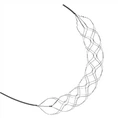
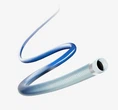
Mechanical clot retrieval devices are catheters that are inserted into the blood vessels of the brain to remove clots. These devices work by either grabbing the clot and pulling it out or breaking it down into smaller pieces that can be safely removed. They are guided by imaging techniques such as CT or MRI to ensure accurate placement and optimal outcomes.
The use of mechanical clot retrieval devices has fundamentally transformed stroke treatment. In the past, the only available treatment was intravenous thrombolysis, which involved injecting a medication to dissolve the clot. However, this treatment was limited to patients who presented within the first few hours of their stroke, and was often associated with serious side effects such as bleeding in the brain.
With mechanical clot retrieval devices, patients can receive treatment up to 24 hours after the onset of their stroke, greatly expanding the window of opportunity for successful intervention. Moreover, studies have shown that patients who received mechanical clot retrieval are more likely to recover full function and return to their normal lives.
Although mechanical clot retrieval devices are a significant advance in stroke treatment, they are not without risks and limitations. They require highly specialized skills and equipment, and are only available at selected hospitals. Moreover, not all patients are eligible for this type of treatment, as it depends on various factors such as the size and location of the clot.
In conclusion, the development of mechanical clot retrieval devices represents a major breakthrough in stroke treatment. It has significantly expanded the treatment window and improved outcomes for patients. With ongoing research and technological advances, it is hoped that this treatment will become more widely available and even more effective in the future.
DredgerTM revascularization device Specifications:
|
Catalogue No. |
Retriever Diameter(mm) |
Retriever Effective Length(mm) |
Retriever Overall Length(mm) |
Mirocatheter Inner Diameter(inch) |
Recommended Vessel Diameter(mm) |
|
RD-3-20 |
3 |
20 |
32 |
0.021 |
1.5~2.5 |
|
RD-3-30 |
3 |
30 |
42 |
0.021 |
1.5~2.5 |
|
RD-4-30 |
4 |
30 |
44 |
0.021 |
2.0~3.5 |
|
RD-4-40 |
4 |
40 |
54 |
0.021 |
2.0~3.5 |
|
RD-5-20 |
5 |
20 |
36 |
0.021 |
2.5~4.5 |
|
RD-5-30 |
5 |
30 |
46 |
0.021 |
2.5~4.5 |
|
RD-5-40 |
5 |
40 |
56 |
0.021 |
2.5~4.5 |
|
RD-6-24 |
6 |
24 |
42 |
0.021 |
3.0~5.0 |
|
RD-6-30 |
6 |
30 |
48 |
0.021 |
3.0~5.0 |
|
RD-6-42 |
6 |
42 |
62 |
0.021 |
3.0~5.0 |
|
RD-7-30 |
7 |
30 |
50 |
0.021 |
3.5~6.0 |
|
RD-7-42 |
7 |
42 |
62 |
0.021 |
3.5~6.0 |