



Acute ischaemic stroke is a devastating medical condition that affects millions of people around the world each year. It occurs when the blood supply to the brain is interrupted, leading to the death of brain cells and potentially life-altering consequences for the individual. However, recent advances in the field of stroke treatment have provided new hope for patients suffering from this condition. In particular, the use of intra-arterial mechanical thrombectomy stent retrievers and aspiration devices has emerged as a highly effective treatment option for acute ischaemic stroke.
Intra-arterial mechanical thrombectomy is a minimally invasive procedure that involves the insertion of a catheter into the affected artery followed by the use of a stent retriever or aspiration device to remove the clot. This approach is particularly effective for patients who are ineligible for or have failed intravenous thrombolysis, the traditional approach to stroke treatment. Intravenous thrombolysis involves the administration of a drug that can dissolve the clot, but it is time-sensitive and has significant risks, including bleeding in the brain.
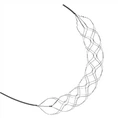
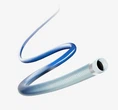
Mechanical thrombectomy stent retrievers work by trapping the clot within a mesh-like device that is then pulled out of the artery. Aspiration devices, on the other hand, use suction to remove the clot from the artery. Both approaches are highly effective in restoring blood flow to the brain and reducing the extent of damage caused by the stroke.
Clinical trials have demonstrated the effectiveness of these devices in improving patient outcomes. The landmark study, Randomized Assessment of Rapid Endovascular Treatment of Ischemic Stroke (EXTEND-IA), compared mechanical thrombectomy to standard medical treatment and found that patients who received the intervention experienced better functional outcomes and higher rates of independent living after 90 days. Other studies have confirmed these findings, and mechanical thrombectomy with stent retrievers and aspiration devices has become the standard of care for acute ischaemic stroke in many hospitals worldwide.
Moreover, the use of these stent retriever thrombectomy devices has dramatically reduced the time between diagnosis and treatment, as well as the time to recanalization, or the restoration of blood flow to the affected area. This is particularly important because time is a crucial factor in stroke treatment. Every minute that the brain is deprived of oxygenated blood, more damage occurs, and the likelihood of permanent neurological deficits increases. With mechanical thrombectomy stent retrievers and aspiration devices, patients can receive treatment quickly, reducing the risk of long-term complications.
In addition, these stent retriever thrombectomy devices have a relatively low rate of complications compared to traditional treatment approaches. Studies have shown that the use of mechanical thrombectomy stent retrievers and aspiration devices is associated with a lower incidence of bleeding complications and an improved safety profile compared to intravenous thrombolysis.
All in all, the use of intra-arterial mechanical thrombectomy stent retrievers and aspiration devices represents a significant advance in the treatment of acute ischaemic stroke. These devices have been shown to significantly improve patient outcomes and reduce the risk of complications, while also reducing the time to treatment and recanalization. As a result, they have become the standard of care for stroke treatment in many hospitals around the world and offer new hope for patients suffering from this devastating condition.