



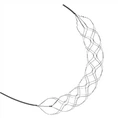

Brain aneurysm is a medical condition characterized by the ballooning or bulging of a blood vessel in the brain. The condition may be asymptomatic or cause symptoms such as severe headaches, nausea, dizziness, or blurred vision. In severe cases, the aneurysm may rupture, leading to a potentially life-threatening condition known as subarachnoid hemorrhage. Endovascular embolization/coiling is a minimally invasive procedure that is used to treat brain aneurysm. This procedure involves the introduction of a catheter through an artery in the groin or arm and using special tools to place coils within the aneurysm in the brain. This article provides an in-depth review of cerebral aneurysm coiling of brain aneurysm, its benefits and risks.
How Endovascular Embolization Coiling Works
Endovascular embolization coiling is a minimally invasive procedure that is performed under local anesthesia. The procedure involves the use of a catheter, which is a thin, flexible tube, that is inserted through an artery in the groin or arm and then navigated through the blood vessels to the aneurysm in the brain. Once the catheter reaches the aneurysm, the physician uses special tools to place coils within the aneurysm, which occludes or blocks the blood flow to the aneurysm. The coils promote clotting or thrombosis, which prevents the aneurysm from rupturing.
Benefits of Endovascular Embolization Coiling
Aneurysm endovascular coiling offers numerous benefits compared to traditional open surgery. It is a less invasive procedure, which means that it does not involve large surgical incisions or the need to remove a portion of the skull. This results in faster recovery times and less discomfort compared to open surgery. Endovascular embolization coiling is also associated with fewer risks of complications, such as bleeding, infection, or stroke compared to open surgery.
Endovascular embolization coiling is also an effective treatment for brain aneurysm. Studies have shown that endovascular embolization coiling is associated with a higher rate of successful treatment compared to conventional open surgery. Moreover, endovascular coil embolization is associated with a lower risk of aneurysm recurrence compared to traditional open surgery.
Risks of Endovascular Embolization Coiling
Like any medical procedure, cerebral aneurysm coiling has some potential risks and complications. The most common risk associated with the procedure is the possibility of the aneurysm rupturing during the procedure. Moreover, the procedure may lead to thromboembolic events, which are the formation of blood clots within the blood vessel. The formation of blood clots may lead to ischemic stroke or other complications. Additionally, endovascular coil may lead to catheter-related complications, such as infection, bleeding, or blood clots.
Conclusion
Aneurysm endovascular coiling is a minimally invasive procedure that involves the introduction of a catheter through an artery in the groin or arm and using special tools to place coils within the aneurysm in the brain. The procedure is associated with fewer risks of complications compared to traditional open surgery and is an effective treatment for brain aneurysm. Moreover, endovascular embolization/coiling results in faster recovery times and less discomfort compared to open surgery. However, like any medical procedure, it has potential risks and complications. Therefore, it is important to discuss the risks and benefits of the procedure with your physician.