



Endovascular coiling and surgical clipping are two commonly used methods for treating unruptured cerebral aneurysms. Neurosurgical clipping and endovascular coiling are the two main treatment options for ruptured intracranial aneurysms. Both procedures have their advantages and disadvantages, and the choice of treatment depends on various factors such as the aneurysm size, location, patient's age, health condition, and the expertise of the medical team.
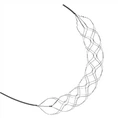
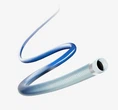
Endovascular coiling is a minimally invasive procedure that involves inserting a catheter through a small incision and threading it up to the aneurysm site. Once in place, a coil is inserted to pack the aneurysm and prevent blood flow. One of the primary advantages of endovascular coiling is that it is less invasive than surgical clipping. This means that patients typically experience less pain and a quicker recovery time. Additionally, because there is no need for a craniotomy (surgical opening of the skull), there is a reduced risk of infection and other complications associated with surgery. The coil promotes blood clotting and seals the aneurysm. The procedure is performed under local anesthesia and takes about an hour. Patients are usually discharged from the hospital the following day.
Surgical clipping involves opening the skull and placing a clip over the neck of the aneurysm to prevent further blood flow. While this procedure is more invasive than endovascular coiling.
Neurosurgical clipping involves open surgery to access the aneurysm and clip it to prevent blood flow and avoid a rupture. This procedure requires a craniotomy, which involves removing a part of the skull to access the aneurysm. The clipping is done under a microscope to avoid any damage to surrounding brain tissue. The procedure is performed under general anesthesia and can take several hours. Patients typically require a hospital stay of several days after surgery.
Endovascular coiling is suitable for patients who are not good candidates for open surgery, such as those with advanced age or other health conditions that make them high-risk candidates for surgery. Coiling has a lower risk of complications and a lower mortality rate compared to clipping. However, the durability of coiling is still being studied, and there is a risk of the coil migrating or the aneurysm rupturing again.
In conclusion, both neurosurgical clipping and endovascular coiling are effective treatment options for ruptured intracranial aneurysms. The decision on which procedure to choose depends on several factors, and should be made by a team of experienced neurosurgeons and interventional neuroradiologists working in close collaboration. Ultimately, the goal is to provide the best possible outcome for the patient, with minimal risks and complications