



Hemorrhagic stroke is a type of stroke that occurs when a blood vessel in the brain ruptures, causing bleeding in the surrounding tissue. It is a serious medical emergency that requires swift and effective treatment. In the past, open surgery was the primary method for treating hemorrhagic stroke, but in recent years, endovascular coiling has emerged as a minimally-invasive alternative.
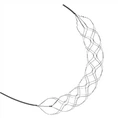
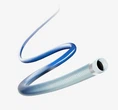
Endovascular coiling is a procedure that involves threading a thin wire through an artery in the groin and guiding it up to the site of the bleeding in the brain. Once the wire is in place, tiny coils made of platinum are fed through the wire and packed into the ruptured blood vessel. The coils cause the blood to clot and seal off the vessel, preventing further bleeding.
Unlike open surgery, which requires a large incision in the skull, endovascular coiling is performed through a small puncture in the groin. This makes the procedure less invasive and reduces the risk of complications, such as infection and bleeding.
Endovascular coiling has shown promising results in the treatment of hemorrhagic stroke. Studies have found that patients who undergo endovascular coiling have a higher rate of survival and a better chance of recovering their normal neurological function compared to those who undergo open surgery. Additionally, endovascular coiling has a lower rate of complications and a shorter recovery time.
One of the major benefits of endovascular coiling is that it can be performed on patients who are not candidates for open surgery due to underlying medical conditions. Patients who are older or have other health problems, such as heart disease or lung disease, may not be able to tolerate the stress of open surgery. Endovascular coiling can be a safer and more effective option for these patients.
Additionally, endovascular coiling can be performed on an emergency basis, which is crucial in the treatment of hemorrhagic stroke. Time is of the essence when it comes to treating hemorrhagic stroke, as every minute of bleeding increases the risk of permanent brain damage. Endovascular coiling can be performed quickly and efficiently to reduce the risk of complications and improving the overall outcome for the patient.
In conclusion, endovascular coiling is a minimally-invasive alternative to open surgery for the treatment of hemorrhagic stroke. It has shown promising results in terms of patient survival, recovery of neurological function, and a lower rate of complications. It is a safer and more effective option for patients who are not candidates for open surgery and can be performed quickly in an emergency setting. With the advancement of technology and medical expertise, endovascular coiling has become an important tool in the fight against hemorrhagic stroke.