




Clot stroke, also known as ischemic stroke, occurs when a clot blocks a blood vessel in the brain, preventing blood flow and oxygen from reaching brain cells. This can cause permanent damage or death to the affected part of the brain. Treatment for clot stroke is time sensitive and requires quick intervention to restore blood flow before irreversible damage occurs.
Endovascular clot retrieval, also known as mechanical thrombectomy, is a minimally invasive procedure that involves the use of a catheter to remove the clot from the blocked blood vessel. This procedure is typically performed by a neurointerventionalist, a specialist who is trained in performing minimally invasive procedures on the brain.
The procedure begins with the patient receiving anesthesia to ensure they are comfortable and free from pain during the procedure. A small incision is then made in the groin, and a catheter is inserted through the incision and threaded through the arteries until it reaches the blockage in the brain.
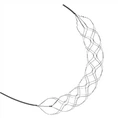
Once the catheter is in position, a tiny device is used to grab and remove the clot, allowing blood flow to be restored to the affected area of the brain. This procedure typically takes between 30 minutes to an hour, and patients are often able to return home the following day.
Endovascular clot stent retrieval has revolutionized the treatment of clot stroke, as it allows for quick and effective removal of the clot, leading to significant improvements in patient outcomes. In fact, studies have shown that patients who undergo endovascular clot retrieval within 6 hours of symptom onset are more likely to have a better functional outcome than those who do not receive this treatment.
One such study, called the "Dawn trial," found that patients who received endovascular clot retrieval with the stent retriever device within 24 hours of symptom onset had significantly better functional outcomes than those who only received standard medical treatment. The study also found that patients who underwent the procedure within 6 hours of symptom onset had even better outcomes.
Endovascular stent retriever is not without risks, as with any medical procedure. Potential complications include bleeding and blood clots, infection, allergic reactions to the contrast dye, and damage to the blood vessels. However, these risks are considered minimal when compared to the potential benefits of the procedure.
Overall, endovascular clot retrieval is a highly effective treatment for clot stroke, providing patients with a quick and minimally invasive option for removing clots and reducing the risk of permanent damage or death. As with any medical procedure, it is important to have a thorough discussion with your doctor to determine if endovascular clot retrieval is the right treatment option for you.