



Acute ischemic stroke is a major cause of disability and death worldwide, and endovascular treatment has become an important approach to restore blood flow in affected arteries. Retrievable stents are commonly used in this procedure, but their size can have a significant impact on the outcomes of the treatment. In this article, we will discuss the effect of retrievable stent size on endovascular treatment of acute ischemic stroke.
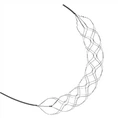
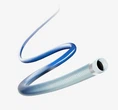
Stent retrievers are devices that are inserted into the blocked artery to open it up and restore blood flow. These stents are designed to be removed after a period of time. The size of the stent retrieval can vary, and it is important to choose the appropriate size to achieve the best outcomes of the treatment.
One of the key factors that determine the size of the stent retriever device is the size of the affected artery. If the artery is too narrow or too wide, selecting the wrong size of stent could lead to complications or failure of the procedure. For example, using a thrombus thrombectomy stent retriever that is too small could result in incomplete opening of the artery, while using a thrombectomy stent that is too large could cause damage to the artery or surrounding tissues.
Another important consideration is the age and overall health of the patient. Older patients or those with comorbidities such as diabetes, hypertension, or heart disease may have weaker arterial walls and are at higher risk of complications. In these cases, the size of the stent retreival must be carefully chosen to avoid causing further damage to the already compromised arteries.
Studies have shown that the size of the retrievable stent can significantly affect the outcomes of endovascular treatment of acute ischemic stroke. In a study published in the Journal of Neurointerventional Surgery, researchers found that using a larger stent size was associated with better recanalization rates and higher rates of good clinical outcomes for patients with acute ischemic stroke. However, the study also noted that using larger stents was associated with higher rates of complications, including vessel perforation, dissection, and thrombosis.
Overall, it is important to carefully evaluate each individual case and choose the most appropriate size of the stent retriever for endovascular treatment of acute ischemic stroke. This decision should be based on factors such as the size of the affected artery, the age and overall health of the patient, and the goals of the treatment. By choosing the right size of stent, clinicians can improve the chances of successful recanalization and good clinical outcomes while minimizing the risk of complications.
In summary, the size of the retrievable stent device is a critical factor in endovascular treatment of acute ischemic stroke. While larger stents may be associated with better outcomes, they also carry a higher risk of complications. Clinicians should carefully evaluate each individual case and select the appropriate stent size to achieve the best possible outcomes for their patients. With careful consideration and expert technique, endovascular treatment offers a promising approach to restoring blood flow and improving outcomes for patients with acute ischemic stroke.