



Stroke specifically refers to acute cerebrovascular disease, which is a general term for brain diseases with sudden localized or diffuse neurological deficits caused by cerebral blood circulation disorders. With the changes in the lifestyle and diet structure of Chinese residents and the acceleration of the aging process of the population, the exposure to risk factors for stroke has increased, leading to a continuous increase in the incidence of stroke.
Intracranial aneurysms are common lesions in hemorrhagic cerebrovascular diseases. If the aneurysm ruptures and bleeds, the patient will experience increased intracranial pressure and intracranial edema, and even induce cerebral hernia, which will have a serious impact on the respiratory and circulatory centers, leading to death. In addition, the disturbance of consciousness of the patient after cerebral hemorrhage will also be complicated by complications such as lung infection and gastrointestinal hemorrhage. At present, interventional treatment programs such as coil embolization is mainly used to prevent intracranial aneurysm from rupture or rebleeding.
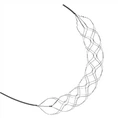
Vascular interventional therapy is currently in a rapid development stage and has been used as the main treatment in many centers. The operations of vascular interventional therapy are all completed in the vascular cavity. Unlike open surgery, it treats aneurysms by implanting materials such as coil system and stent retriever. Vascular interventional therapy is less invasive than open surgery. At present, coiling embolization is mainly used.
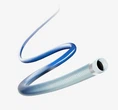
Principle of treatment: The detachable coil system is sent into the cavity of the aneurysm through microcatheter technology. The coils create a vortex as the blood flows into the aneurysm, and the blood flow continues to slow down. Ultimately, the blood flow velocity will be in a state of basic stagnation, thereby forming a thrombus. The pressure in the aneurysm is thus significantly reduced, reducing the possibility of aneurysm rupture and avoiding life-threatening. The devices involved in coil embolization include coil system, microcatheters, etc.