



Intracranial aneurysm is a common intracranial vascular disease. Due to congenital abnormalities or acquired injuries, local vascular wall damage occurs. Under the action of hemodynamic load and other factors, the abnormal bulge gradually expands.
Coil embolization is the most common interventional treatment for intracranial aneurysms. A large amount of clinical data proves that about 94% of unruptured aneurysms can be treated with simple coil embolization. Coil embolization mainly uses a microcatheter to deliver the coil to the aneurysm cavity, blocking the aneurysm from the blood circulation, thereby occluding the aneurysm. This treatment method includes: simple coil aneurysm embolization, stent-assisted coil aneurysm embolization, and balloon-assisted coil aneurysm embolization.
The coil is a platinum-made metal wire with a soft texture. During the embolization operation, a microcatheter is inserted into the aneurysm cavity, and then a push rod is used to push the coil into the aneurysm cavity through the microcatheter. When the coil is stable in the aneurysm, the connection between the push rod and the coil is released, the push rod is withdrawn from the microcatheter, and then the next coil is ready to be delivered.
The mechanism of action of the coil is to mechanically fill the aneurysm body and induce thrombosis in the aneurysm, blocking the impact of blood flow on the aneurysm wall, thereby reducing the risk of intracranial aneurysm rupture and bleeding. Coil embolization is treated through an intravascular approach, avoiding the high risk and long recovery period associated with intracranial incision and craniotomy in traditional surgery.
Simple coil aneurysm embolization requires more skills and experience to ensure the effectiveness of embolization.
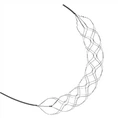
Stent-assisted coil aneurysm embolization increases the stability and controllability of treatment through the introduction of stents. The stent can be placed in the blood vessel to provide additional support to prevent the coil from falling off or leaking out of the aneurysm, reducing the risk of postoperative rebleeding. At the same time, stent-assisted treatment better protects the blood supply of the surrounding brain tissue while embolizing the aneurysm.
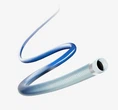
Balloon-assisted coil aneurysm embolization is also known as balloon remodeling technology. During the operation, the balloon is placed at the neck of the aneurysm to prevent the possible intraoperative displacement of the coil, and the coil is placed in the aneurysm sac through a microcatheter, which can make the coil filling density in the aneurysm sac higher. Its main advantage is that it can be used as a temporary occlusion to control bleeding in the event of aneurysm rupture during surgery.