



Classification of Neurointerventional Devices
Neurointerventional devices can be divided into ischemia, hemorrhage and access according to different etiologies and usage scenarios.
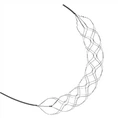
Ischemic (including acute and chronic): Acute ischemic neurological interventional devices include stent retriever, aspiration catheters and other mechanical thrombectomy devices, which are mainly used to remove thrombus or embolus to dredge vascular access. Chronic ischemic neurological intervention devices include intracranial expansion stents, balloon dilation catheters and other devices, which are mainly used to open narrowed vascular access.
Hemorrhagic: A ruptured aneurysm can cause a hemorrhagic stroke. Neurointerventional devices include detachable coils and dense mesh stents (blood flow guiding devices). The former is used to fill and embolize aneurysms, and the latter is used to revascularize and divert blood to isolate the aneurysm cavity. The two can also be used in conjunction.
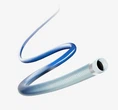
Access: access type neurointerventional devices are mainly used in interventional surgery to establish access, transport equipment, block oppression and other scenarios. High-value consumables include microcatheters, microguide wires and guiding catheters. In practical application, it is often applied across fields. For example, the distal access catheter (also known as the intermediate catheter) can also be used to aspirate thrombus.