



Wide-necked aneurysms have always been a difficult point in the treatment of endovascular embolization. How to prevent microcoils from protruding into the parent artery when filling is satisfactory is the key to occluding wide-necked aneurysms. The following embolization techniques are used:
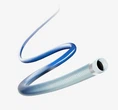
(1) Basket technique. Firstly, one or more three-dimensional microcoils are inserted into the aneurysm cavity, and a basket is formed in the aneurysm cavity by utilizing the space stretchability of the three-dimensional microcoils after release. The inserted microcoils are then basketed so as not to protrude into the parent artery until the aneurysm is completely occluded. This technique is simple and easy to perform, but the disadvantage is that sometimes the coils still protrude outward after embolization.
(2) Balloon-assisted reconstruction technique. In order to prevent the microcoil from protruding into the parent artery, after the microcatheter is inserted into the aneurysm cavity, a non-detachable balloon catheter is inserted through the guiding catheter to the opening of the aneurysm, and the balloon is filled to block the aneurysm. Open the aneurysm, and then use the first method to occlude the aneurysm. This technique is better formed, but the disadvantage is that the blood flow needs to be blocked.
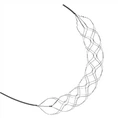
(3) The stent-assisted reconstruction technique first releases an arterial stent to cover the opening of the aneurysm, then inserts a microcatheter into the aneurysm cavity through the mesh of the arterial stent, and sends a microcoil to occlude the aneurysm. This shortcoming, but the supporting force of the special bracket is insufficient. In this group, 2 cases of wide-necked aneurysms were embolized by the first method, and the embolization was satisfactory, and no microcoil protruded into the parent artery.
Application of Coil System in Wide Neck Aneurysm Technique
Feb 14, 2023 Leave a message
Send Inquiry