



Introduction
Neurovascular diseases (e.g., ischemic stroke, intracranial aneurysms, vascular malformations) represent a growing global health burden, with an estimated 15 million new stroke cases annually. Neurointerventional procedures-minimally invasive alternatives to open surgery-rely on specialized devices like balloon guide catheters (BGCs) to enhance safety and efficacy. This article explores BGCs' technological evolution, clinical impact, and market dynamics.
Product Overview: What Are Balloon Guide Catheters?
A balloon guide catheter is a specialized endovascular device designed to:
1. Facilitate access to tortuous neurovascular anatomy.
2. Stabilize microcatheters/microguidewires during procedures.
3. Control blood flow (temporary occlusion) to optimize therapeutic delivery.
Design & Materials
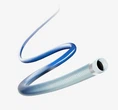
1. Structure: A flexible catheter shaft (e.g., braided nitinol/stainless steel) with a deployable balloon (distal tip) and an inflation/deflation control system.
2. Balloon Materials: Nylon or polyurethane (balanced strength, flexibility, and pressure resistance for intracranial vessels).
3. Sizing: Available in 4–6 French (Fr) diameters and variable lengths, tailored to target vessels (e.g., internal carotid artery, middle cerebral artery).
Working Mechanism
BGCs create a "stagnant flow" environment to enable precise interventions:
1. Flow Arrest: The balloon inflates in a proximal vessel (e.g., cervical internal carotid artery) to temporarily block antegrade blood flow.
2. Embolic Protection: Stagnant flow prevents thrombus fragments from migrating distally (reducing embolic complications).
3. Device Stabilization: Stabilizes microcatheters/microguidewires, improving engagement with targets (e.g., thrombus, aneurysm neck).
Clinical Applications
BGCs are critical in several neurointerventional procedures:
1. Acute Ischemic Stroke (AIS) Treatment
In mechanical thrombectomy (MT) for large vessel occlusion (LVO):
a. BGCs improve first-pass recanalization rates (e.g., SWIFT DIRECT, DEFUSE 3 trials) by stabilizing the thrombectomy device (stent retriever/aspiration catheter) and reducing embolic escape.
b. 2023 AHA/ASA guidelines recommend BGC use to optimize reperfusion outcomes.
2. Intracranial Aneurysm Embolization
For complex aneurysms (e.g., wide-neck, fusiform):
a. BGCs reduce pulsatile flow during coil deployment, minimizing coil migration and improving packing density (long-term occlusion rates).
b. Enable advanced techniques like balloon-assisted coiling (BAC) or stent-assisted coiling (SAC).
3. Vascular Angioplasty/Stenting
a. For intracranial atherosclerotic stenosis or dissection:
BGCs provide flow arrest to safely deploy stents/perform angioplasty, reducing thromboembolic risks.