


In recent years, thrombectomy for acute stroke has become a hot topic in the field of neurointervention. Therefore, the choice of interventional therapy for acute ischemic stroke has become particularly important. As a new vascular aspiration technique, ADAPT has attracted more and more attention due to its advantages of simple operation, rapid opening of occluded vessels, high success rate of vascular opening, and less damage to the intimal membrane.
ADAPT technology has significant advantages in the treatment of large-burden thrombus.
ADAPT technology is "Direct Aspiration First Pass Technique" (A Direct Aspiration First Pass Technique, ADAPT). The ADAPT technique uses a highly traceable, non-invasive, and large-diameter intermediate catheter as the first-line technique for direct aspiration and thrombectomy. It is currently one of the surgical methods for vascular recanalization in acute ischemic stroke.
In the updated guidelines of AHA/ASA in 2019, ADAPT technology is regarded as IB-level recommended therapy, which provides strong evidence for the wide application of ADAPT in clinical practice. With the announcement of the two results of ASTER and COMPASS, ADAPT has shown similar safety and efficacy to stent thrombectomy, and more and more neurointerventional doctors have begun to use this technology as the first-line clinical treatment option.
In the treatment of massive intracranial thrombus, ADAPT technology has significant advantages. The pathogenesis of patients with heavy thrombus load is mainly cardiogenic emboli. Large-vessel carotid atherosclerosis with stenosis is a major type of ischemic stroke. Atrial fibrillation has different effects on different types of ischemic stroke. Among them, atrial fibrillation Cardiac stroke accounts for the highest proportion.
In the M1, M2, and even M3 segments of the middle cerebral artery, there may be some emboli at the end of the bifurcation or internal cervical segment with a relatively large load. Before the ADAPT technology came out, the canalization rate of these emboli was less than 50%. The composition of large-load emboli is very complex, the load of emboli is large, and the severity of the emboli stuck in the blood vessels is different. Using ADAPT technology can suck out some large emboli and at the same time play a role in loosening the distal emboli. The microguide wire microcatheter also plays an auxiliary role in reaching the distal end.
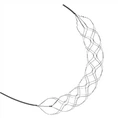
For patients with heavy thrombus burden, the opening rate of thrombectomy alone is less than 50%, but if combined with ADAPT technology, the canalization rate may be close to 70%-80%, and some centers even reach a recanalization rate of 90%. Patients with a large burden of thrombus in the anterior circulation are all cardiogenic emboli, and the compensatory function of the entire unilateral anterior circulation system is very poor, and the mortality and disability rates of such patients are very high. Using ADAPT combined with stent thrombectomy technology, the anterior circulation can be quickly and effectively opened, and the opening time is very short, and some can be completed in only half an hour.
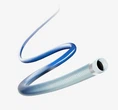
The progress of medical technology is inseparable from the innovation and improvement of materials. ADAPT technology has been widely used in the treatment of vascular recanalization of acute ischemic cerebrovascular disease. Previous studies have shown that the use of large-diameter catheters can shorten the time from puncture to blood vessel recanalization, increase the rate of successful recanalization after one aspiration, and reduce the use rate of stent assistance. The emergence of aspiration catheters has changed the thrombectomy habits of neurointerventional doctors, not only making thrombectomy smoother, but also making many more complicated surgical procedures easier.