



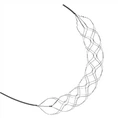
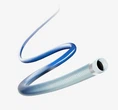


DredgerTM stent retrieve is a medical device designed to remove blood clots (thrombi) from arteries in the brain. This stent is an essential tool used in the treatment of stroke, a medical emergency that requires quick and effective intervention. One of the key features of the intracranial thrombectomy stent is its minimally invasive nature. The device can be inserted through a small incision in the leg or arm and advanced to the affected area of the brain using special imaging techniques. This approach allows for a quicker recovery time, reduced risk of complications, and improved patient comfort. In addition, the use of the intracranial thrombectomy stent is associated with a low incidence of adverse events. Studies have shown that the device is safe, with a low risk of complications such as bleeding or infection. This is largely due to the advanced imaging techniques used during the procedure, which allow for precise placement of the device and minimize the risk of damage to surrounding tissues.
Features&Advantages
1. Non-invasive distal tip minimizes the risk of damage to the vessel wall during the stent placement.

2. Front-end protective umbrella-shaped mesh design prevents small emboli from escaping to the far end.
3. Double-layered stent with a movable mesh for capturing, clamping and removal of thrombus.


4. Full-length visibility provides real-time visual feedback to assist clinicians during surgery.

5. Minimum radial supporting force reduces vascular intima stimulation and damage

Specifications

Recommanded retrieval procedure
1. Advance stent retrieve until the distal tip align with microcatheter distal tip. NOTE: when a retriever marked distal end connected to catheter hub, or b retriever marked proximal end connected to rotating hemostasis valve proximal end, retriever distal tip will locate no further than 8 cm to microcatheter distal end.
2. Advance stent retriever gently, meanwhile retract microcatheter, let the circular structure expand in thrombus. Microcatheter marked distal end should be just fit circular structure proximal end. CAUTION: for reducing risk of kinking/fracture, keep microcatheter marked distal end just fit circular structure proximal end.
3. After stent retrieval fully unfolded, observe pillar expansion and allow retriever to stay for enough time for thrombus‐retriever integrating. (proximately 5 minutes).
4. If Balloon Guide Catheter is used, blow the balloon according to the indications of Balloon Guide Catheter label to occlude vessel.
5. Install and lock torque device onto retriever at microcatheter hub.
6. Aspirate Balloon Guide Catheter with a 60 ml syringe, meanwhile withdraw Retriever and microcatheter as a whole system into Balloon Guide Catheter distal tip.
7. Aspirate Balloon Guide Catheter with a 60 ml syringe with force, and withdraw Retriever and microcatheter into Guide Catheter. Continue aspirating until Retriever and microcatheter about to leave from Guide Catheter.


