



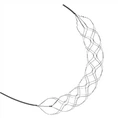
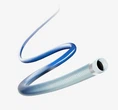
Neurointerventional microcatheter is a rapidly evolving field in which physicians use small, flexible catheters to diagnose and treat a variety of neurological conditions. These procedures are typically performed by interventional neuroradiologists who have specialized training in neurointerventional techniques.
One of the primary advantages of microcatheterization is its minimally invasive nature. Instead of performing traditional open surgery, which can require lengthy hospital stays and recovery times, microcatheterization involves making a small incision and navigating a catheter through blood vessels to the site of the injury or illness. This can include aneurysms, arteriovenous malformations, and other types of vascular lesions.
Microcatheter allows physicians to access deep areas of the brain or spine that might be difficult or impossible to reach using traditional surgical techniques. Additionally, it enables them to perform certain procedures, such as embolization, without the need for larger invasive procedures. This often translates into less pain, quicker recovery times, and fewer complications.
Micro catheter also provides physicians with greater precision and control. The small size of the catheter allows them to maneuver it through complex vascular structures within the brain or spine, which can reduce the risk of injury to surrounding tissue. This allows physicians to deliver targeted treatments to the affected area with minimal disruption to surrounding structures.
In addition to its benefits for treating neurological conditions, microcatheter is also being investigated for its potential use in other medical specialties. For example, interventional cardiologists are exploring the use of microcatheterization to treat heart conditions, such as the placement of stents in narrow blood vessels.
Despite the many potential benefits of microcatheter, there are still some risks involved. Like any medical procedure, there is a risk of infection, bleeding, and other complications. However, when performed by a trained and experienced physician, the risks are typically low and the potential benefits can be significant.
Overall, neurointerventional microcatheterization is a promising field that offers many potential benefits for patients with neurological conditions. By providing physicians with greater precision and control, as well as a minimally invasive alternative to traditional surgical techniques, microcatheterization has the potential to revolutionize the way we treat neurological disorders. As researchers and physicians continue to explore its uses and refine its techniques, we can expect this field to continue to evolve and improve, offering patients more effective and less invasive treatment options.