


Acute ischemic stroke (AIS) is a major cause of high morbidity and mortality worldwide. Rapid and effective recanalization of occluded cerebral arteries is crucial to improving patient prognosis. Mechanical thrombectomy has become the standard method for treating large vessel occlusion AIS. Various mechanical thrombectomy techniques include single-stent thrombectomy, direct aspiration, and combined techniques, each with its own advantages and limitations.
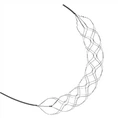
Although single-stent thrombectomy is effective, it also faces challenges such as incomplete thrombus removal and distal embolism. Studies comparing direct aspiration with stent thrombectomy have mixed results, with some studies showing that the two are equally effective, while others suggest that direct aspiration may have advantages in specific patient groups. Combining stent thrombectomy with aspiration can improve thrombus recovery rates and reduce distal embolism, but requires additional devices and expertise. The choice of these methods often depends on the operator's experience and the characteristics of the thrombus. Selective thrombectomy at vascular bifurcations using a double-Y stent retriever can improve first-pass recanalization rates and overall recanalization rates.
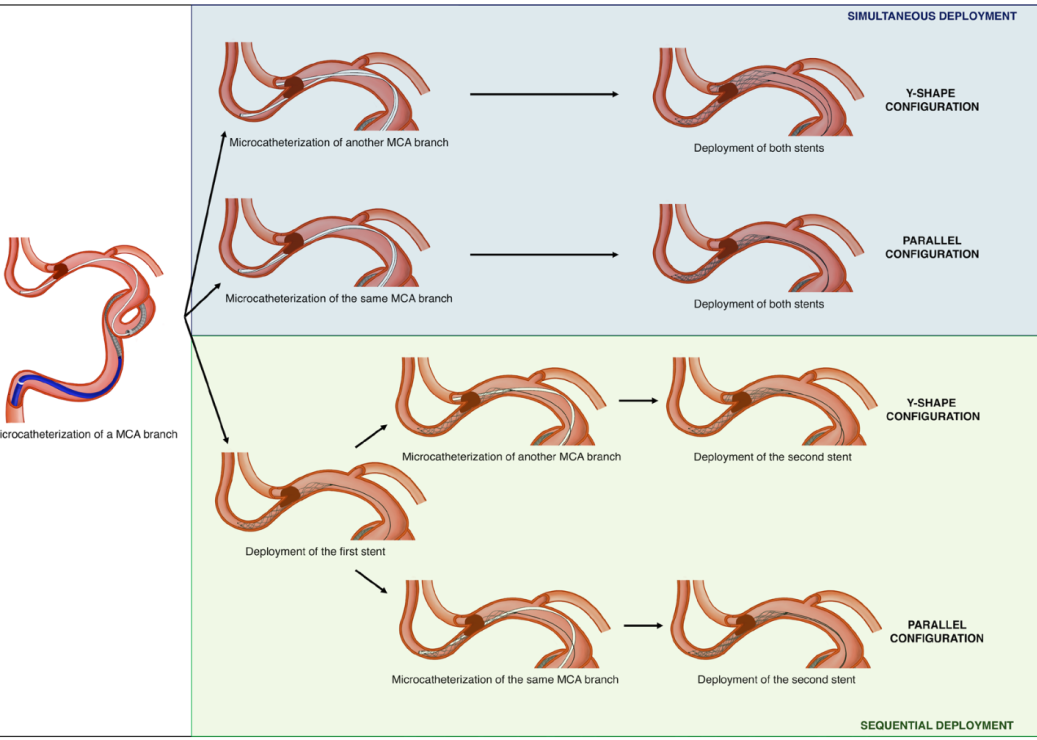
There are many ways to perform double stent thrombectomy, and two technical issues must be considered in each operation.
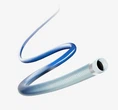
1. The way the stent is deployed. If the first stent is deployed first, then another microcatheter is passed through the stent, and then the second stent is deployed, it is a sequential deployment; if two microcatheters are used at the same time, the stents are deployed simultaneously.
2. The placement of the stents. These stents can be arranged in parallel (the distal ends of the stents are located in the same branch) or in a Y-shaped arrangement (the distal ends of the stents are located in different branches).