



A stroke is a medical emergency caused by a lack of blood flow to the brain, resulting in brain cell damage or death. It is a leading cause of death and disability worldwide, with around 80 million people affected annually. It is crucial to seek medical attention immediately if you or someone you know experiences any signs of a stroke, such as sudden numbness or weakness in the face, arm, or leg, especially on one side of the body, confusion, trouble speaking or understanding, difficulty seeing in one or both eyes, and severe headache with no known cause.
Treating a stroke can be challenging and time-critical. The most common method is thrombolysis, which involves intravenous administration of clot-busting drugs to dissolve the blood clot causing the stroke. However, thrombolytic therapy has several limitations, such as a narrow therapeutic window, bleeding risk, and low recanalization rates in large artery occlusion. Moreover, not all patients are eligible for thrombolysis, and some may require additional interventions, such as mechanical thrombectomy or decompressive hemicraniectomy.
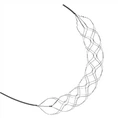
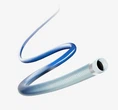
Intracranial aspiration catheter is a novel device that offers an alternative or adjunct method for stroke treatment. It is a catheter inserted into the brain to aspirate the blood clot causing the stroke, either alone or in combination with thrombolysis. It is designed to reach the site of occlusion where the clot is located and retrieve it with suction force.
One advantage of intracranial aspiration catheter is its versatility and compatibility with various clot types and locations. It can retrieve both thrombus and embolus, whether fresh or organized, and can be used in tandem with other devices, such as stent retrievers and balloon-guided catheters. It can also treat both anterior and posterior circulation strokes, unlike some other methods that are limited to certain areas.
Another advantage of intracranial aspiration catheter is its faster and more predictable recanalization rates compared to thrombolysis. A study showed that the mean time from puncture to recanalization was around 24 minutes, and the recanalization rate was 81.5%, with a low rate of symptomatic intracranial hemorrhage. This means that stroke patients can receive timely and effective treatment, improving their chances of recovery and reducing the risk of disability and death.
Intracranial clot aspiration catheter is also less invasive than other methods, such as mechanical thrombectomy or decompressive hemicraniectomy. It involves only a small cranial opening, rather than a craniotomy or a large bore catheter insertion. This reduces the risk of complications, such as infection, bleeding, and brain edema, and shortens the hospital stay and recovery time.
Moreover, intracranial aspiration catheter is user-friendly and easy to operate, even for less experienced physicians. It does not require specialized training or skills, and can be performed in a catheterization laboratory or an operating room, depending on the availability and accessibility of resources.
In conclusion, thrombus aspiration device is a promising and innovative device for stroke treatment. It offers several advantages over traditional methods, such as versatility, faster recanalization, and less invasiveness. It also has some limitations and challenges that need to be addressed and researched further. However, its potential to improve the outcomes and quality of life of stroke patients is undeniable, and its use should be encouraged and supported by healthcare providers, policymakers, and patients.