




Stroke is a leading cause of long-term disability and death worldwide, with around 17 million occurrences each year. It is a medical emergency that requires immediate attention. Treatment of stroke depends on the type and severity of the stroke. Ischemic strokes, which occur when a clot blocks a blood vessel in the brain, account for around 85% of all cases of stroke. The standard initial treatment for ischemic stroke is thrombolytic therapy, which involves the administration of a clot-busting drug called tissue plasminogen activator (tPA). However, despite its effectiveness, tPA has limitations in its use due to its narrow therapeutic window, leaving many ischemic stroke patients with no other options for treatment. Fortunately, there has been a breakthrough in recent years in treating ischemic strokes with endovascular clot retrieval devices, which is discussed in this article. Endovascular treatment uses catheters, microcatheters, and other devices, inserted through the arteries, to remove clots from the brain.
Endovascular clot retrieval is a minimally invasive procedure performed by interventional neuroradiologists or neurosurgeons. It involves the use of a catheter that is inserted via a small incision in the femoral artery in the groin and guided up to the blocked blood vessel in the brain. The clot is then trapped in a device and removed from the blood vessel. The procedure can be performed up to 24 hours after the onset of symptoms, offering an extended treatment window compared to tPA. This procedure is typically reserved for patients who are not eligible for tPA or whose symptoms persist despite tPA.
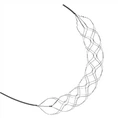
Endovascular clot retrieval devices are specifically designed to capture clots that cause ischemic stroke.clot retrieval devices come in various types depending on the location and type of clot to be removed. The most commonly used clot stent retrieval are stent retrievers and suction devices, both of which have high rates of successful clot removal. Stent retrievers are devices that are deployed into the clot and expanded to grip and remove it. Suction devices work by creating a vacuum that draws the clot into the device. Stent retrieval can remove clots larger than the ones that can be dissolved by tPA and can improve blood flow to the brain much faster than thrombolytic therapy.
Recent studies have shown that endovascular clot retrieval devices significantly improve functional outcomes for patients suffering from ischemic strokes. One study published in the New England Journal of Medicine found that patients treated with endovascular clot retrieval devices had improved functional independence compared to those treated with tPA alone. Another study published in 2018 found that patients treated with Endovascular clot retrieval devices exhibited better physical and cognitive outcomes after three months compared to those who received standard care.
Clot retrieval devices are generally considered safe, with little to no additional risks compared to other interventional procedures. Patients who are allergic to contrast dye or have a history of bleeding or aneurysm may not be eligible for the procedure. However, it is important to note that ECRD treatment is still not available in all hospitals, as it requires specialized expertise and equipment.
In summary, endovascular clot retrieval devices have revolutionized the treatment of ischemic strokes. They offer an extended treatment window and an alternative option for patients who are not eligible for or do not respond to tPA. While more research is needed, there is no denying that Endovascular clot retrieval devices have a significant impact on the treatment and recovery of stroke patients. With the continued development and improvement of these devices, it is hoped that more lives can be saved and more people can recover from the debilitating effects of stroke.