




Mechanical thrombectomy is now a well-established treatment modality for patients with acute ischemic stroke. Recent advancements in technology have led to the development of new devices such as stent retrievers and aspiration catheters, which have greatly improved the efficacy of mechanical thrombectomy. In this article, we will discuss the efficacy of combined use of a stent retrieval and aspiration catheter in mechanical thrombectomy for acute ischemic stroke.
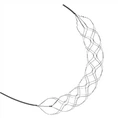
Stent retrievers are thrombectomy devices that are designed to remove blood clots from the cerebral arteries. The stent retriever is a metallic wire that is placed into the clot and then pulled back, allowing the clot to be removed along with the stent retriever. Aspiration catheters, on the other hand, are suction devices that are used to remove the clot by applying aspiration pressure directly to the clot.
Studies have shown that the use of stent retrievers and aspiration catheters in combination can significantly improve the efficacy of mechanical thrombectomy. By using both devices, the physician can target different types of clots and remove them more effectively. This approach also reduces the risk of embolization, which is when a piece of the clot breaks off during the removal process and travels to a different part of the brain, potentially causing additional damage.
The combined use of stent retrieval and aspiration catheters also reduces the time required for the procedure, which is critical in treating acute ischemic stroke. Studies have shown that faster treatment leads to better outcomes, with a greater chance of complete recovery and reduced risk of permanent disability. By minimizing the time required for mechanical thrombectomy, the combined use of stent retrievers and aspiration catheters can help improve patient outcomes.
In addition to improving efficacy and reducing procedure time, the combined use of stent retrievers and aspiration catheters has also been shown to be safe. Studies have reported a low rate of adverse events, with no major complications reported in the majority of cases. Furthermore, the combined use of these devices has been shown to be effective across a wide range of clot types and locations, making it a versatile treatment option for acute ischemic stroke.
Overall, the combined use of stent retrievers and aspiration catheters is an effective treatment option for patients with acute ischemic stroke. By targeting different types of clots and reducing procedure time, this approach can lead to better patient outcomes and reduced risk of permanent disability. Further research is needed to determine the optimal method for using these devices in combination, but the evidence thus far suggests that they are a promising treatment modality for this challenging condition.