



Stroke, also known as brain stroke, is caused by sudden rupture and bleeding of blood vessels in the brain or cerebral ischemia and lack of oxygen due to blood vessel blockage. Clinically, it is divided into two categories: hemorrhagic and ischemic. Among them, acute ischemic stroke is characterized by high morbidity, high mortality and high disability rate.
Currently, the most effective treatment for acute ischemic stroke is recanalization of occluded blood vessels. Recanalization treatment includes simple intravenous drug thrombolysis and endovascular interventional surgery.
Stroke patients can benefit from intravenous thrombolysis within 4.5-6 hours of the hyperacute phase of stroke. However, due to various factors, even in countries with advanced medical care, less than 3% to 8.5% of patients can receive intravenous thrombolytic treatment. About 33% of patients can achieve clinical remission after receiving intravenous thrombolysis, but it cannot effectively open the occlusion of large blood vessels.
Intravascular recanalization therapy is to open occluded blood vessels through interventional surgery. It is the most direct and effective treatment method to improve the blood supply to brain tissue.
The most commonly used and important method in endovascular recanalization treatment is mechanical thrombectomy, which also includes direct balloon angioplasty and stent angioplasty for in situ stenosis of cerebral arteries.
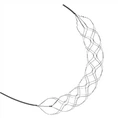
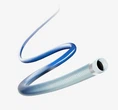
Mechanical thrombectomy uses intermediate catheters, microguidewires, microcatheters, aspiration catheters, thrombectomy stent retriever and other device, and uses various surgical methods to directly remove thrombus from blocked blood vessels, so that the blocked blood vessels can be quickly re-open. The surgical method can be to use a thrombectomy stent retrieval to grab the thrombus and pull it out of the blood vessel, or to use a aspiration catheter to directly aspirate the thrombus and then pull it out.
The treatment time window of mechanical thrombectomy can be extended to 16-24 hours after the onset of disease based on the patient's brain tissue condition and cerebrovascular collateral compensation status, and the recanalization rate is high. In most neurointerventional centers, The recanalization rate of mechanical thrombectomy for patients with large vessel occlusion can reach over 80 to 90%.