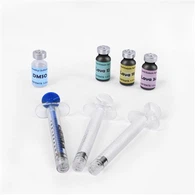


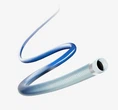


The LavaTM liquid embolic agents in interventional radiology is used in a variety of interventional radiology procedures. Lava liquid embolic agents are used to fill the abnormal vessels and stop the blood flow, effectively treating the AVM and hypervascular in the brain. AVMs can be treated with liquid embolic agents by injecting the substance into the vessels that are feeding the abnormal connections. As the liquid embolic agent solidifies, it blocks the vessels and prevents blood flow to the AVM, which reduces the risk of complications. One of the key features of Lava liquid embolic agents is their ability to be precisely controlled during injection. This is because Lava is designed to be a slow-flowing liquid, which allows for greater precision in the embolization process. In addition, Lava can be molded and shaped while it is being injected, so that it conforms to the shape of the vessel being treated. This makes it ideal for treating complex AVMs and other challenging conditions. Another feature of Lava is its stability and durability. Once it is injected, Lava hardens into a solid mass, creating a permanent blockage in the targeted blood vessel. Unlike other embolic agents, LAVA does not break down over time, so there is no need for repeat treatments.
Product Features
Liquid embolic agents have several unique features in interventional radiology. Here are some of the key features:
1. Controlled Delivery: Liquid embolic agents can be delivered in a controlled manner through a catheter into the targeted blood vessel. This allows the interventional radiologist to precisely control the amount and location of the embolic agent, increasing the safety and effectiveness of the procedure.
2. Radiopacity: Liquid embolic agents are radiopaque, which means that they are visible on imaging studies such as X-rays, CT scans, and MRIs. This allows the interventional radiologist to confirm accurate placement of the embolic agent and monitor its effects over time.

3. The low viscosity and high diffusion coefficient of Lava-12 allow it to penetrate deeply into hypervascular tissues, providing more complete occlusion than traditional agents.
4. Non-Adhesive Properties: Lava has a lower risk of catheter entrapment, ensuring safer retrieval and reducing the need for additional intervention. This feature is particularly useful in more complex procedures that require multiple injections, as catheter removal time is significantly reduced, and the overall time of the procedure is shortened.
5. Non-adhesive liquid embolic agents are also characterized by superior penetration capabilities, allowing them to reach and occlude even the smallest of vessels effectively.

Ordering Information