


Product Introduction
LavaTM Embolic System is consists of following components: EVOH (ethylene, vinyl and alcohol copolymer), DMSO (dimethyl sulfoxide) and TA (micronized tantalum powder). LavaTM Embolic System is available in 12, 18 and 34 for various clinical needs. Lava-12 has lower viscosity than Lava-18. It allows for easier, better and more profound penetration. The micronized tantalum particles in Lava are smaller and provide a more homogeneous solution.
Features&Advantages
1. It was made of non-adhesive material and used the latest technology of EVOH co-polymer.
2. Comprehensive degrees of viscosity (Lava 12, Lava 18 and Lava 34) meet different clinical requirements.
3. Lower viscosity make it more fluid to allow deeper penetration into the nidus and to reach distal microvessels and inject through small feeders.
4. A stable and controlled injection and delivery method to reach target embolism.
5. It has excellent visibility all along the procedure due to micronized grain size of Tantalum powder.


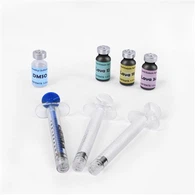
Each Lava kit Contains:
One 1.5 ml vial of Lava-18
A 1.5 ml vial of DMSO
One 1 ml blue syringe for DMSO
Two 1 ml white syringes for Lava
Specifications
|
Product Code |
Viscosity |
Descriptions |
|
Lava-12 |
12 cST |
Lower viscosity and more fluidness for distal microvessles; |
|
Lava-18 |
18 cST |
Standard formula for general use; |
|
Lava-34 |
34 cST |
Higher viscosity for high flow vessels. |